
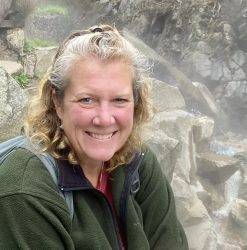

I left on an early train from Timișoara and after a 6:15 journey, arrived in Cluj-Napoca in the early afternoon. My friendly cabin mates I met on the train to Timișoara said Cluj was the place to see, so I took their advice and made it happen. I was happy to find it was much easier to access small group tours to some of the Transylvania highlights and the Turda Salt Mine from here as well.
The train got really full along the way, being the end of the school year and high season for field trips. It was funny to watch the chaperones trying to keep all the kids together and somewhat calm as they were pretty excited. Finally, they got off the train at Bratca, and it was much quieter for the remainder of the trip.

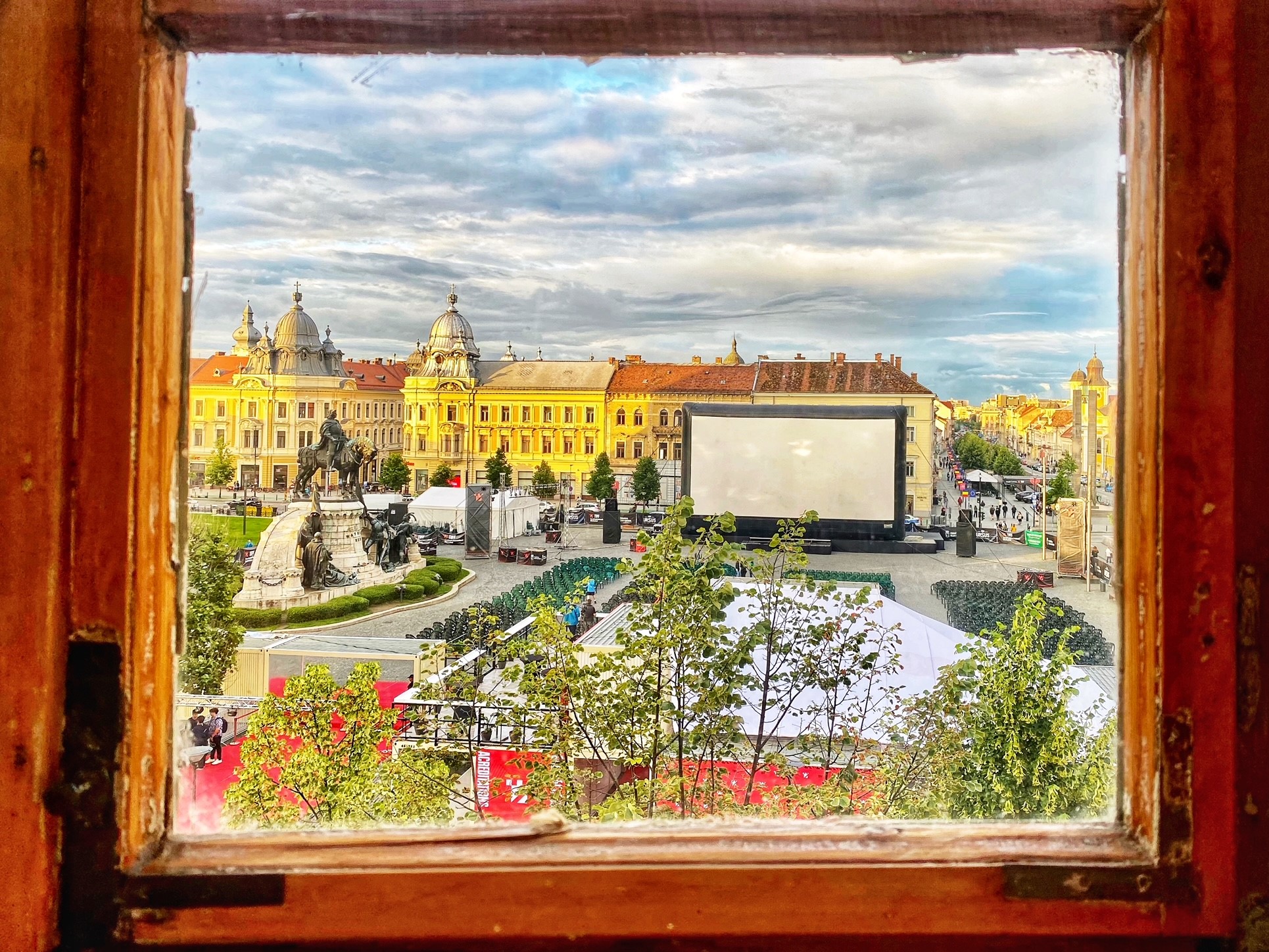
When I arrived, I caught a bus to a stop near my apartment and got lucky with a bit of an early check-in. I was excited to find it had a fun vibe and was in a great location near the main square, Piaţă Unirii, in old town. There was even friendly cat waiting to welcome me! I was also surprised to find the TIFF (the Transylvania International Film Festival) happening during my stay, offering many events around town. Although I didn’t partake in any of the shows, it was fun to see all the excitement.


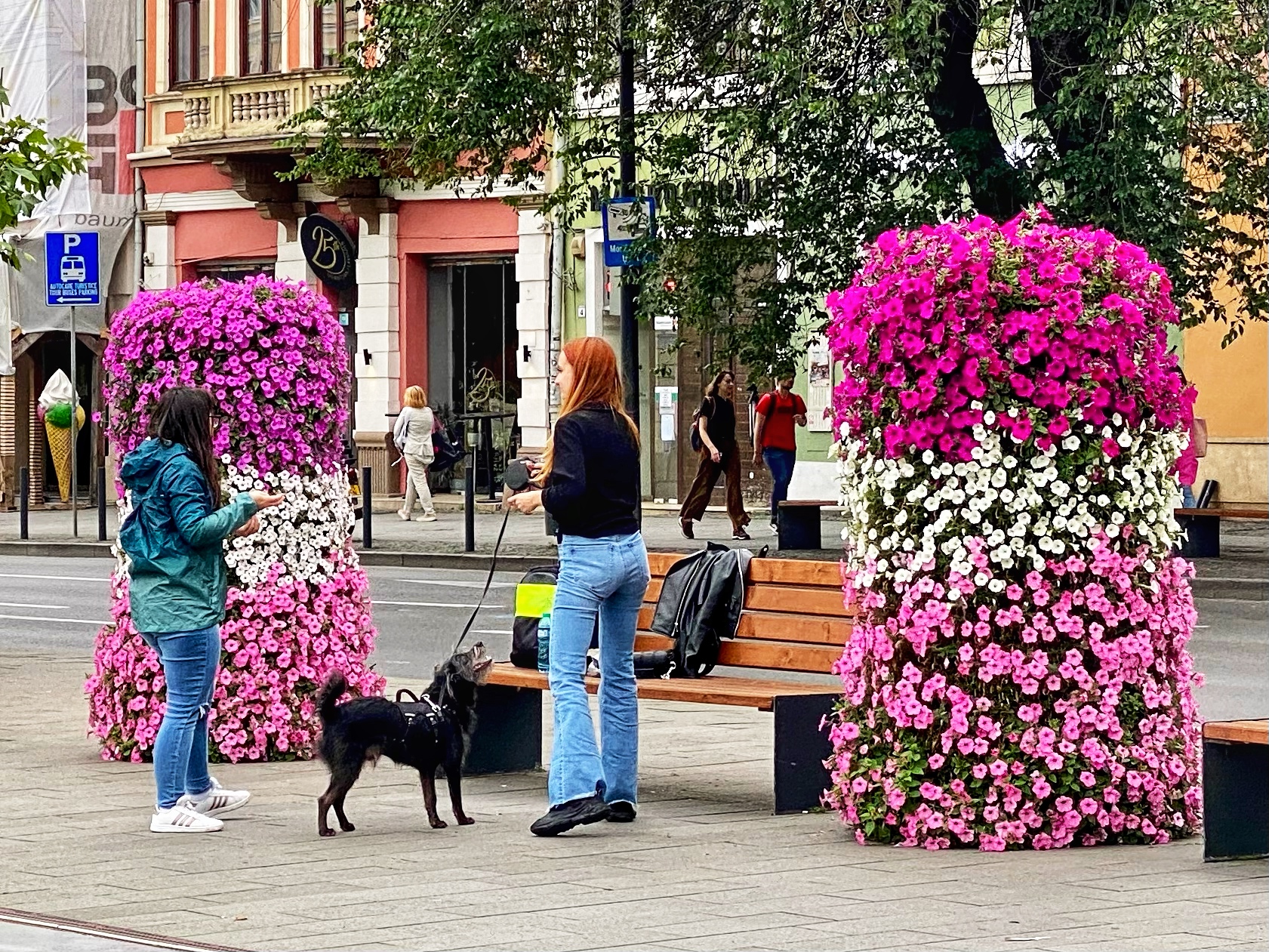

Excited to see the sights, I booked a tour the next day for a journey through some of Transylvania’s highlights. It ended up being me and two other great ladies, Jenny (from Alaska, but living in Athens for the past year), Sybille from Switzerland, and our guide, Robert from Romania!
We began with a 2-hour drive to Medias where we visited the Citadel of Light and some amazing 15th-Century Medieval buildings. There is evidence of humans in this area dating back to the middle-Neolithic time, but the first written document mentioning the area was during the Roman occupation around 1267. In 1283, after the Saxons settled in Transylvania, the town was named Sacerdos de Medias, and in 1389, it was renamed Villa Medies.
During the Middle Ages, like most other towns in Transylvania, Medias was strongly fortified. The fortified St. Margaret Evangelical Church was built in the 15th century on the ruins of a Roman basilica, which is where the citadel stands today.


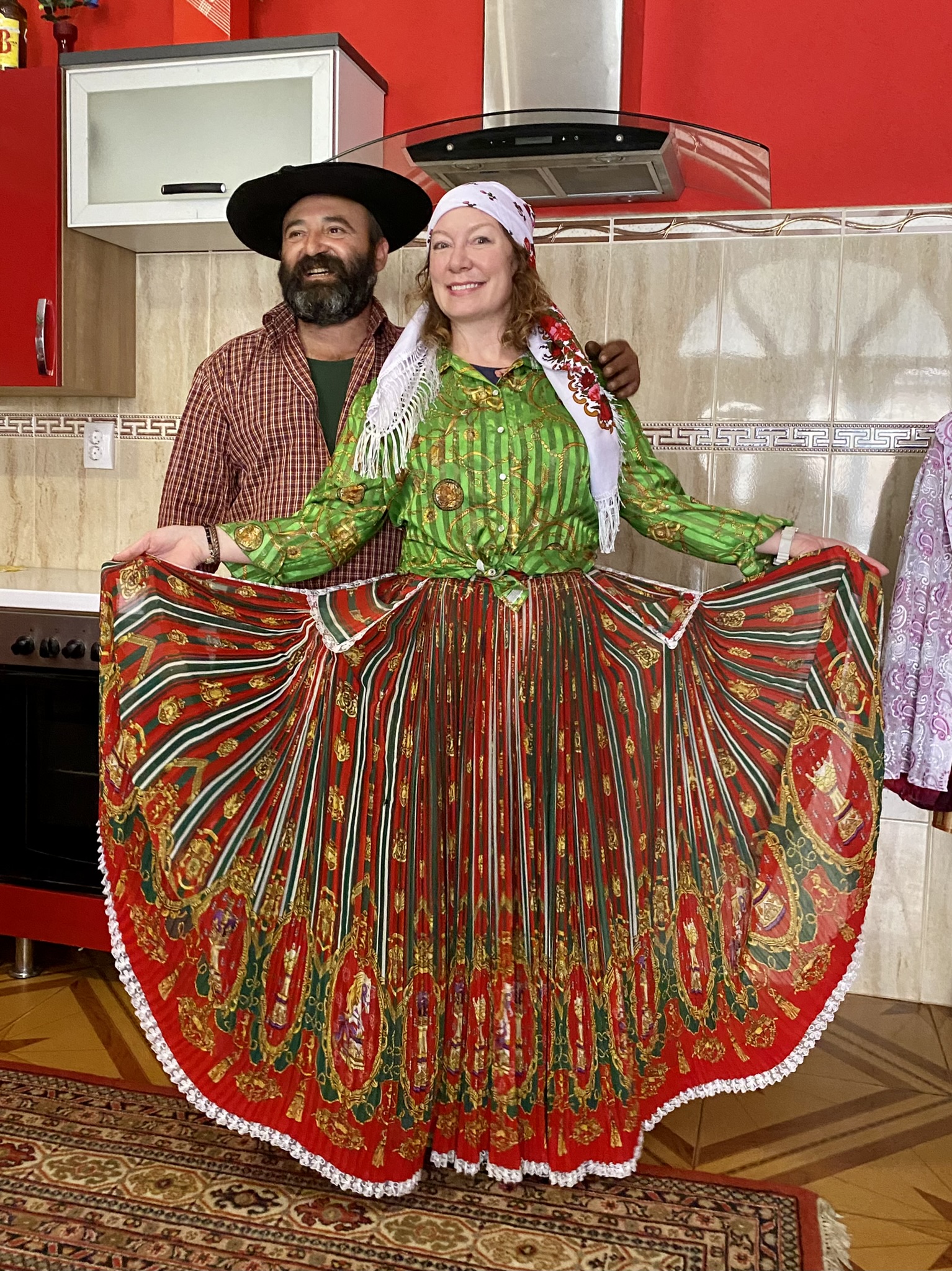
After Medias, we drove to a gypsy community in Brateiu. Here we were welcomed into the home of Victor and his family (in this typically very closed community) where we shared tea and some homemade cherry liquor while discussing the Roma life. Victor and his wife had an arranged marriage when he was 12 and she was 10, after his mother passed and a female was needed in the household. He became an amazing metal worker, and she makes clothing which Jenny was invited to model.
To preserve their culture, they have their own spoken language and typically the girls don’t go to school past the elementary and boys not past high school. They almost always follow in the family business, and are not allowed to marry outside the community. If they do choose to leave, they are banned from ever returning. The house shown below is not one in Victor’s neighborhood, as we were not allowed to take photos outside of his home, but it is in a similar gypsy community we passed by on the way out of town. The multi-level metal roofs are symbolic of many of the gypsy communities. Most of the gypsies are not originally from Romania, but from Northern India and Pakistan.



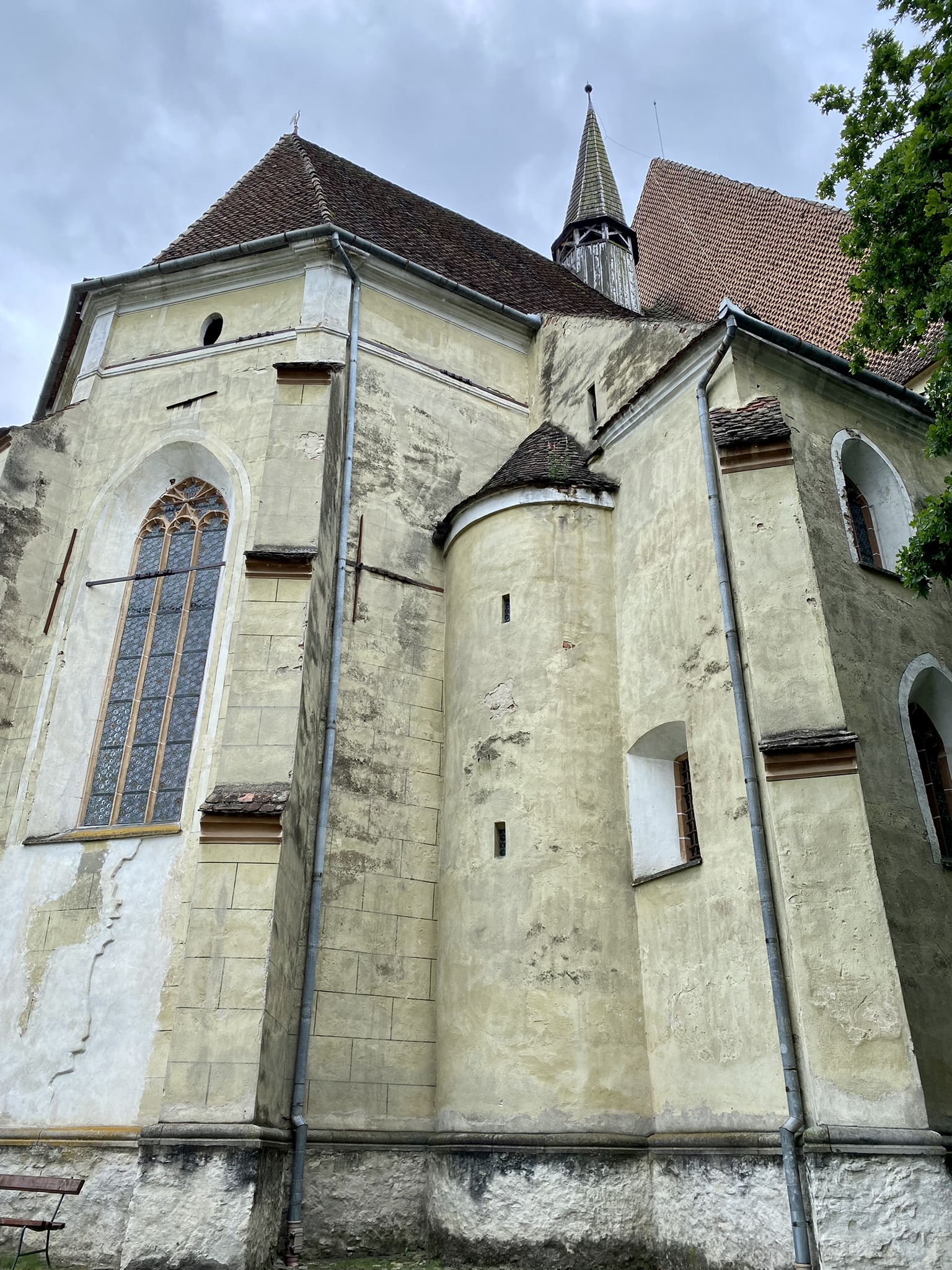
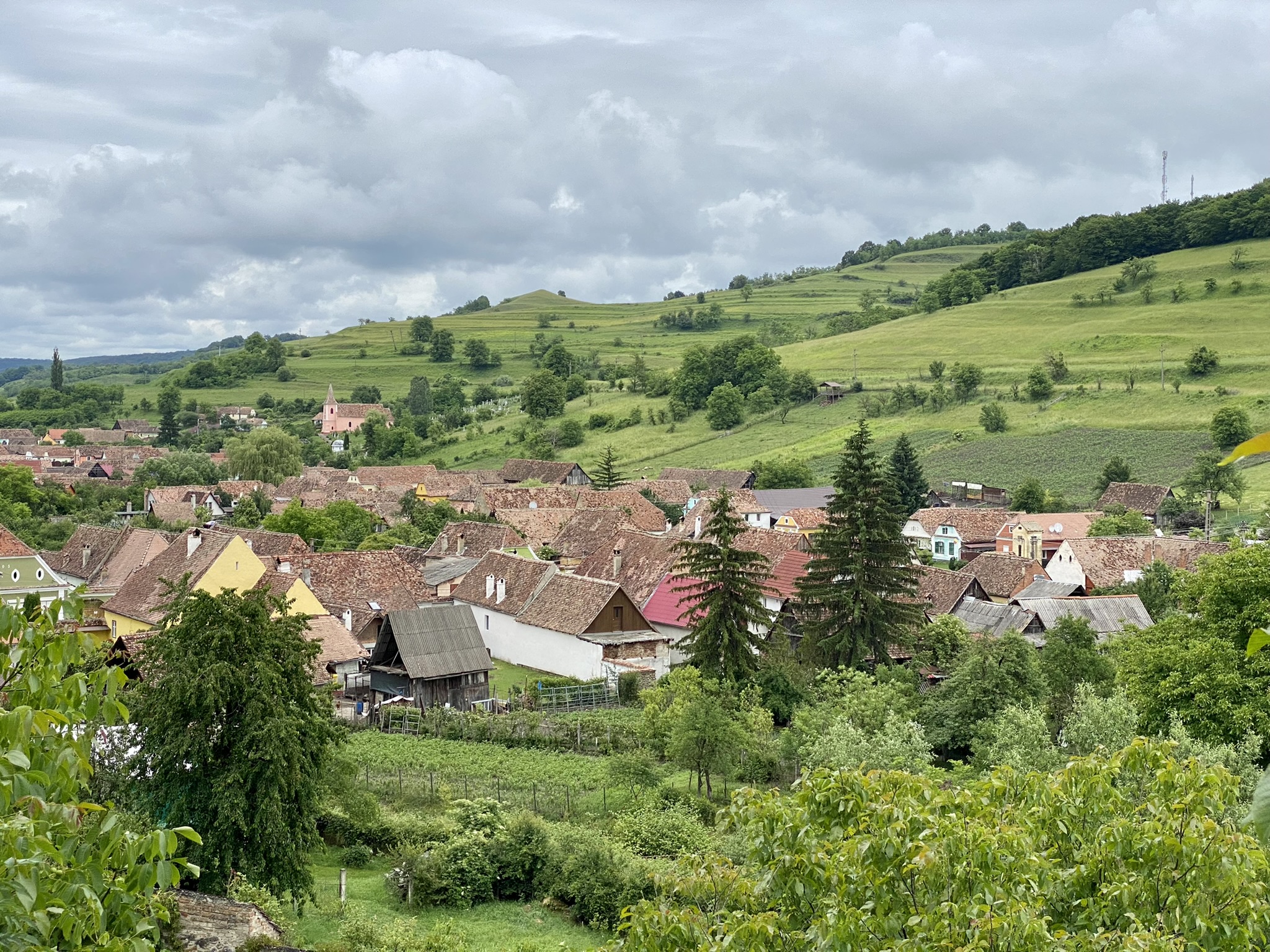
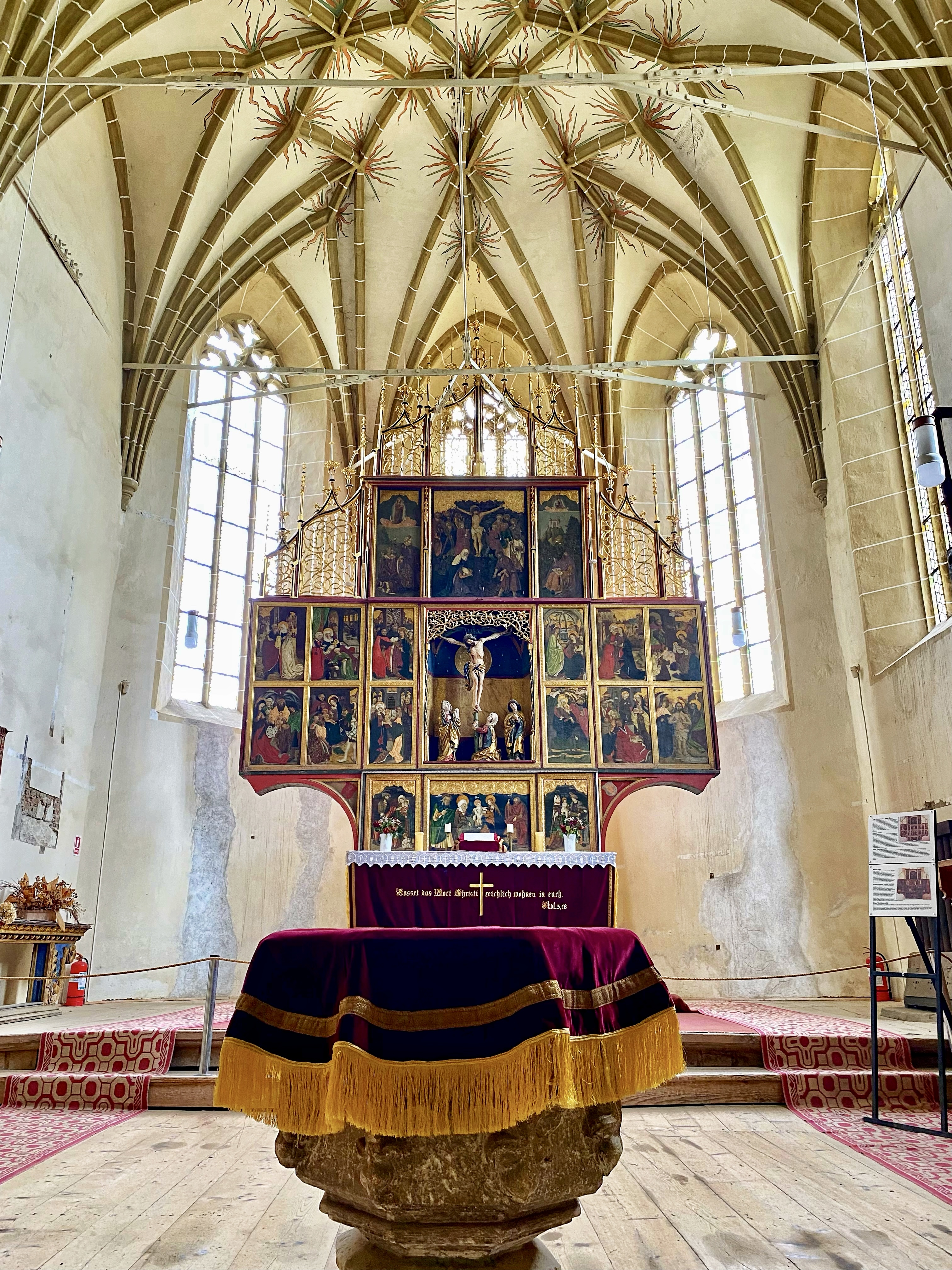
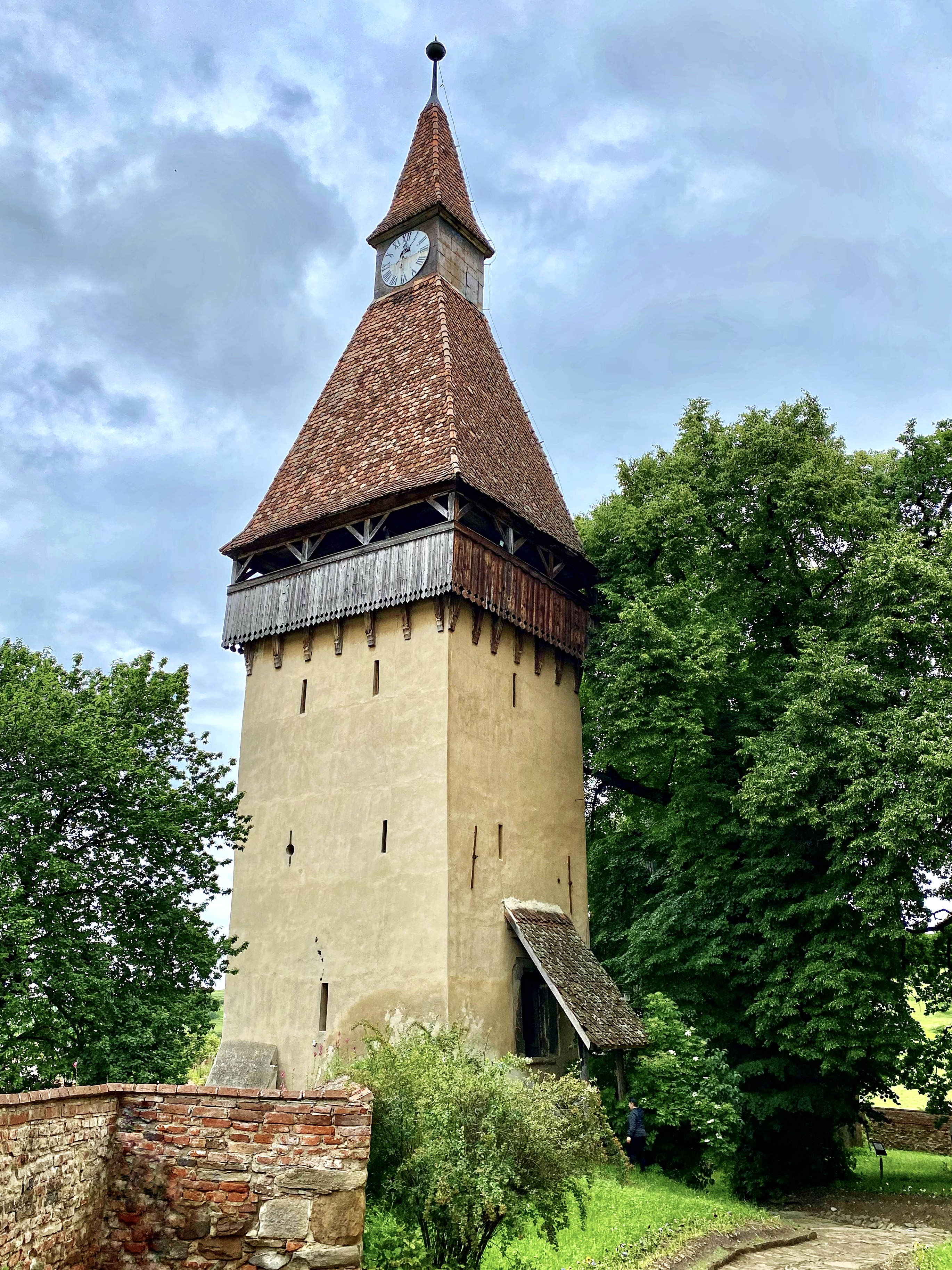
From Brateiu we continued on to Biertan, a Saxon village that has been a UNESCO World Heritage Site since 1993. The 15th century fortified church stands on top of the hill in the center of the village, which was impossible to conquer in the medieval times. The Biertan fortified church was the seat of the Evangelical Lutheran Bishop in Transylvania between 1572 and 1867. Many of the gravestones are still housed inside of the Bishop’s tower.
A couple things I found interesting about the church were the door of sacristy, manufactured in 1515, with a unique 19-point deadbolt lock and the enormous organ on the balcony. In 1898, the complex lock system was awarded a prize for its ingenious design at the Paris World Exhibition. The church’s organ has 1,290 pipes and 25 registers and was built in 1869 by Hessian Company in Vienna. Pretty amazing!






Following Biertan we stopped for a nice, well-deserved lunch before our final stop in the colorful medieval town of Sighisoara. Sighisoara was built by German craftsmen and merchants, know as the Saxons, beginning in the 12th century. Its many craftsmen and tradesmen fortified it with 14 towers and five artillery bastions to defend the town against Ottoman invasions. It became an important economic and commercial center on the fringes of central Europe.
Today, Sighisoara is home to several UNESCO World Heritage Sites, and famously known for being the birthplace of “Dracula”. During the 15th century, the town was mentioned by Prince Vlad Dracul, the father of Vlad the Impaler. It is known that Vlad was born here, but there is no proof about his home or the room he stayed in. Even with lack of proof, the town is definitely capitalizing on the theory! Below you will also see the famous large covered stairway which allowed the children walk to school while staying safe and out of the elements within the walls.

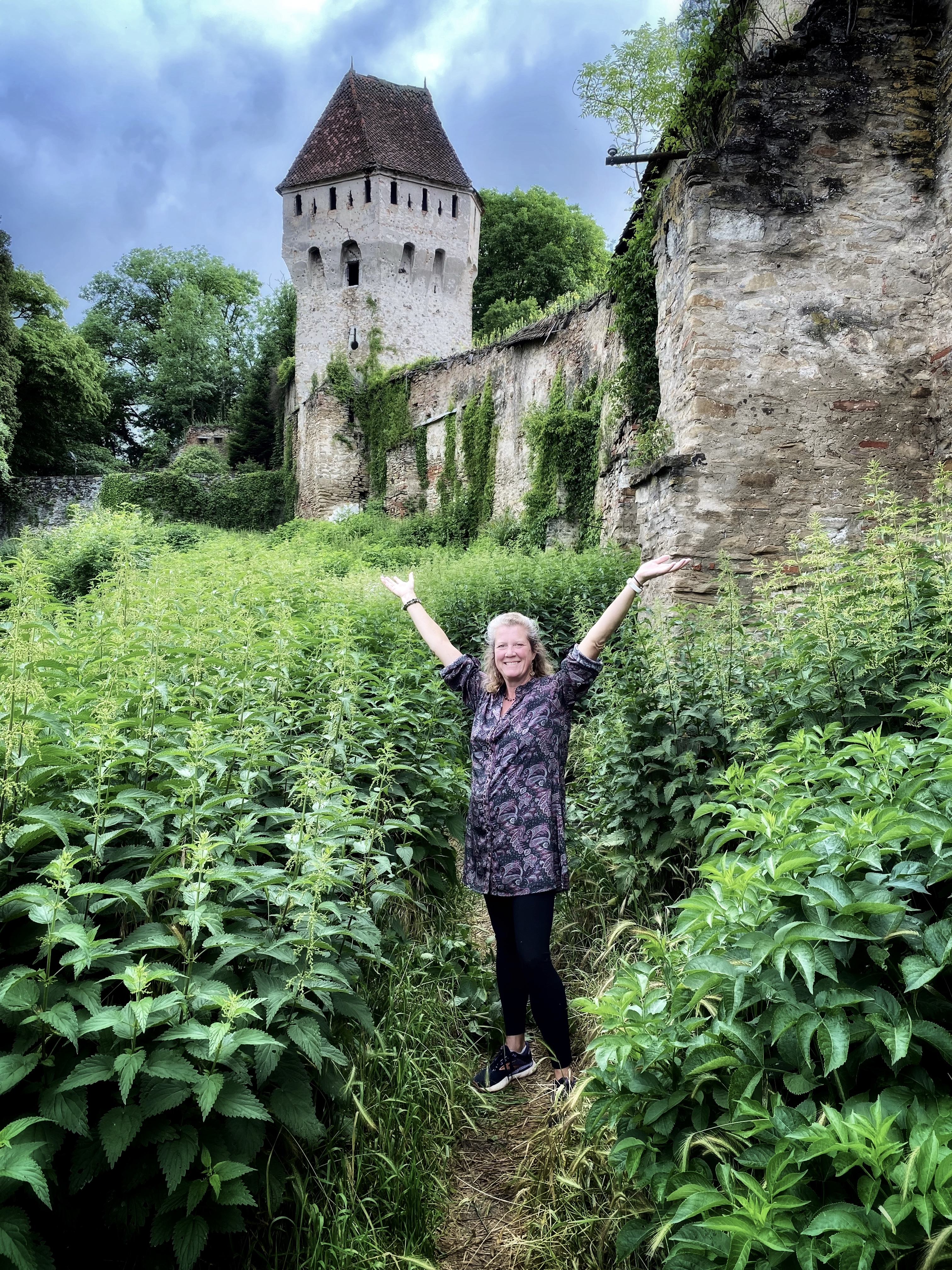


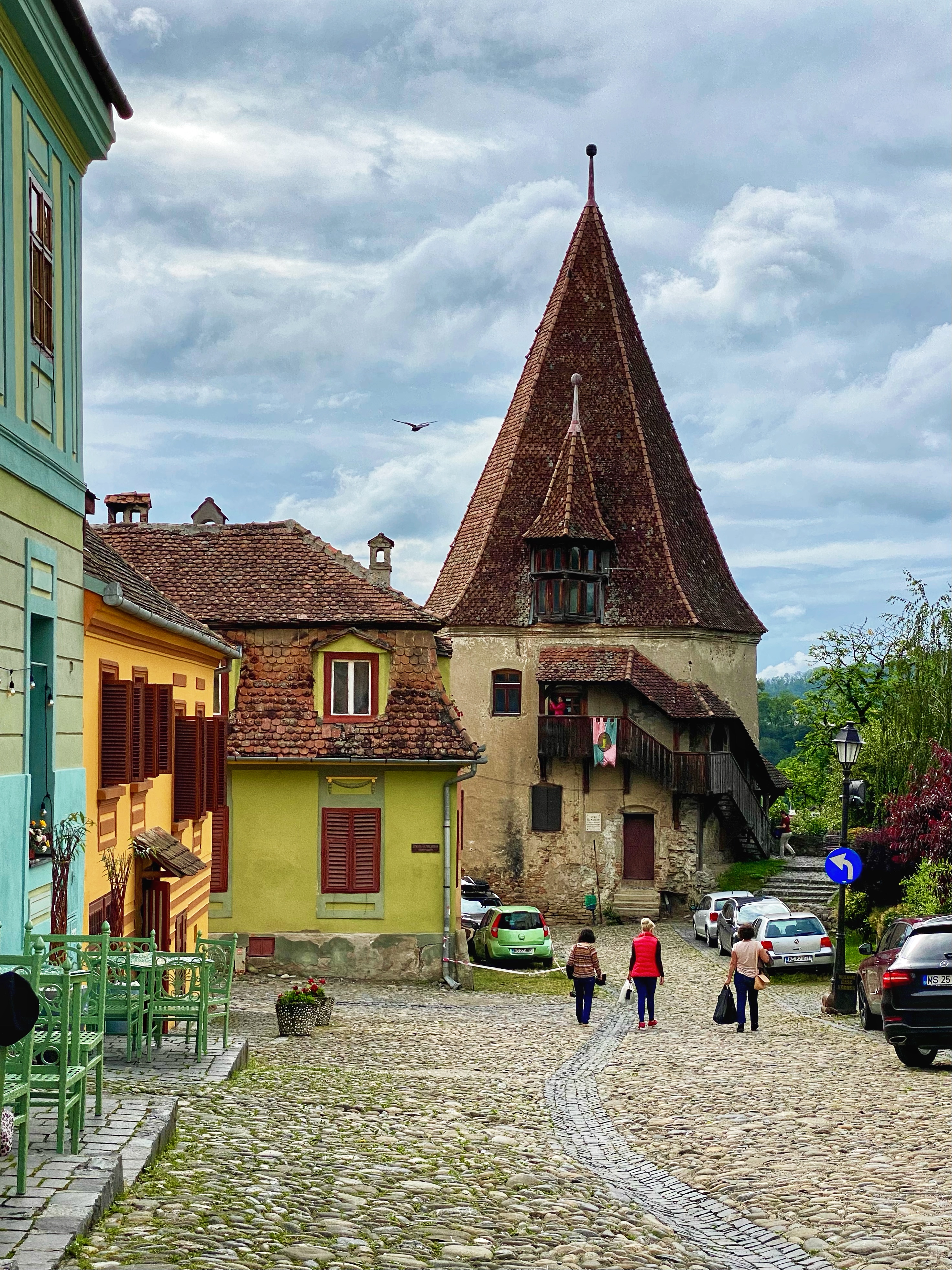
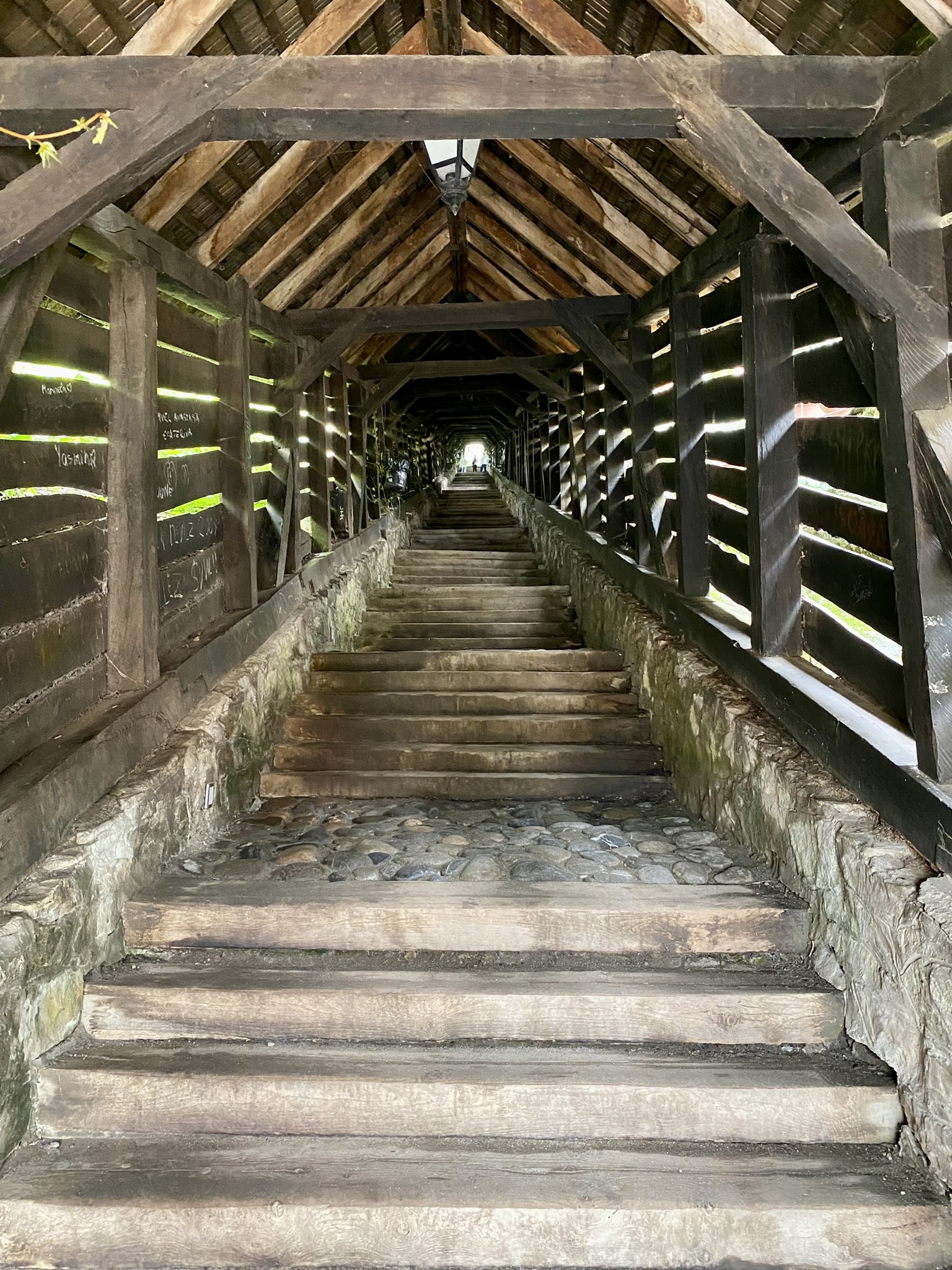
When we arrived back in town, we said goodbye to Robert, and the three of us went out for a couple of drinks and dinner. During drinks, we were given an amazing rainbow, a perfect way to seal in a perfect day!


A couple of days later, I was excited to have Robert as my guide again for the trip to Salina Turda (Turda Salt Mine), Alba Iulia, and Corvin’s Castle. This time, I was the only one signed up, so I was blessed with an amazing private tour!
We began by driving straight to Turda to be at the mine for opening time (at the old entrance, recommended by Jenny – thank you!!). We were the first ones into the mine and began our 650 meter walk down the tunnel into the underground chamber. I had to stop and lick the walls just to triple confirm it was really salt….yep!!


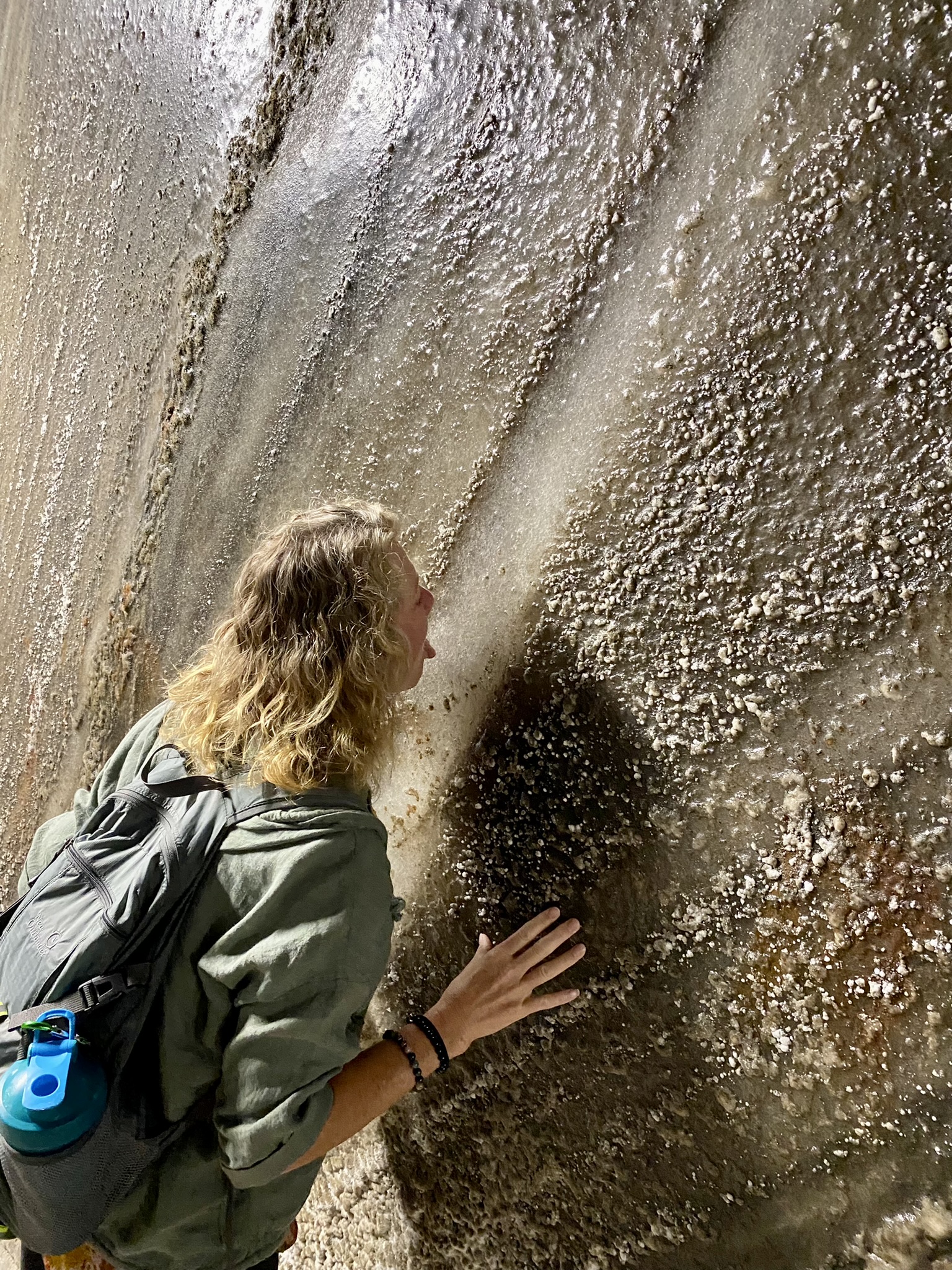
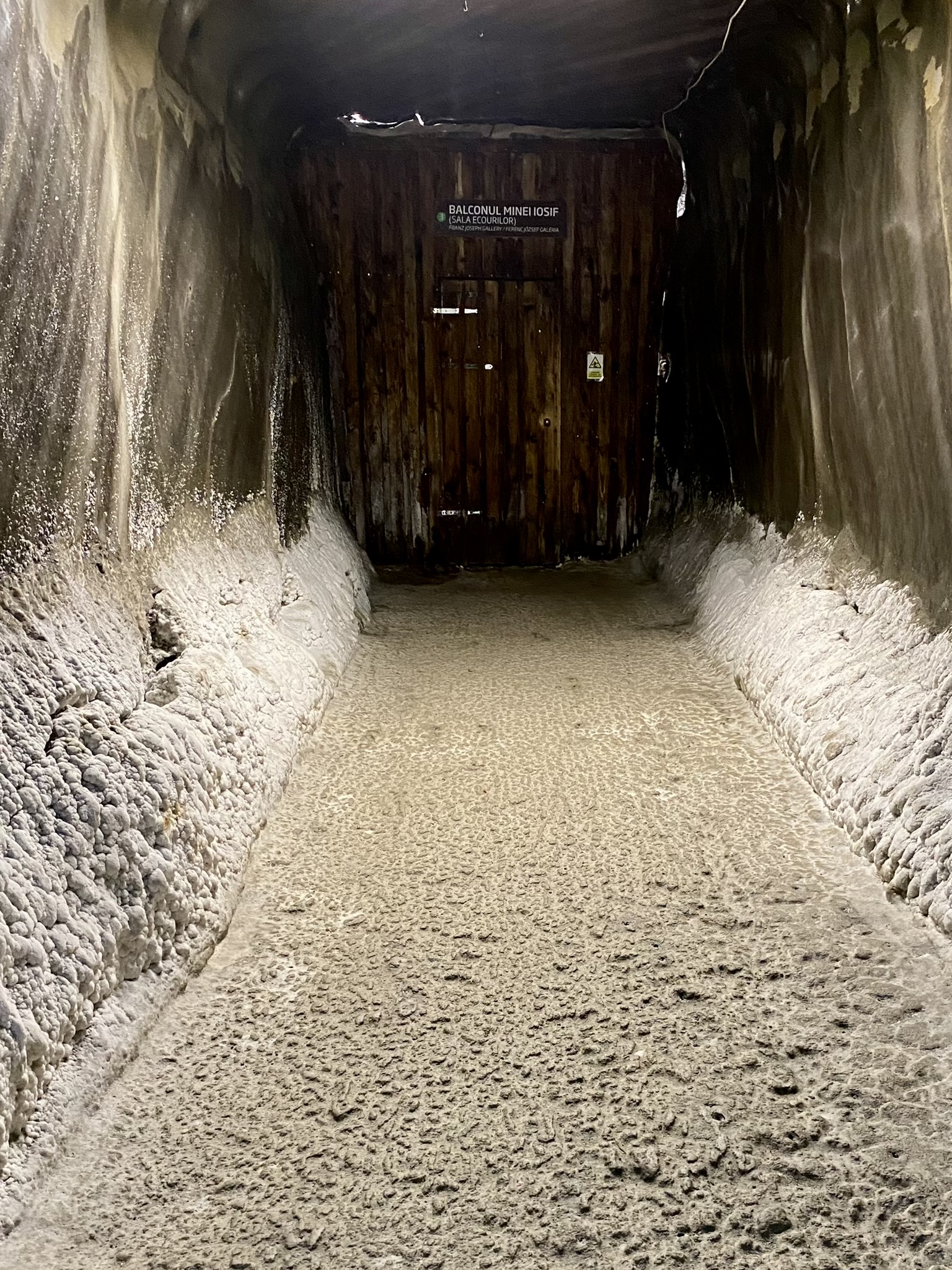
Salina Turda is one of the oldest salt mines in Europe. It began in the pre-Roman era, around 1075, and was active until 1932. One area, the Terezia conical (bell) mine was so impressive! It is 112 meters (367 ft) deep from the mouth of the shafts to the base of the mine. At the bottom of the mine, there is an underground lake, a “cascade” of salt, and stalactites. Since becoming a halotherapy center and tourist attraction in 1992 (renovated in 2008), you are able to boat around the lake.
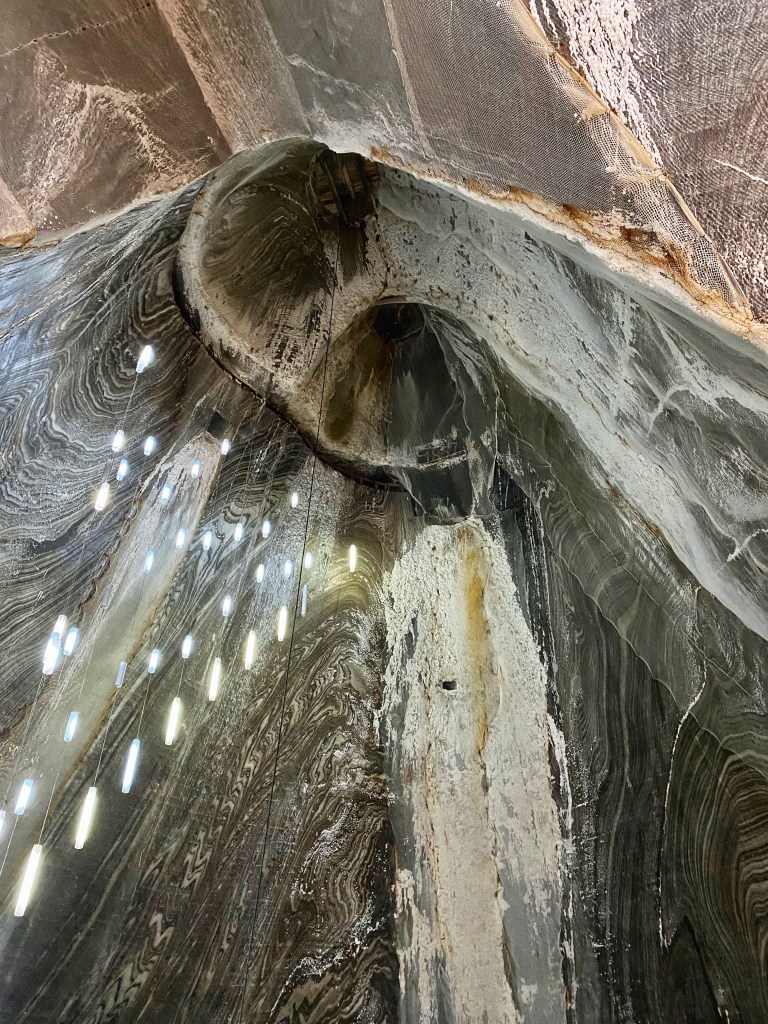
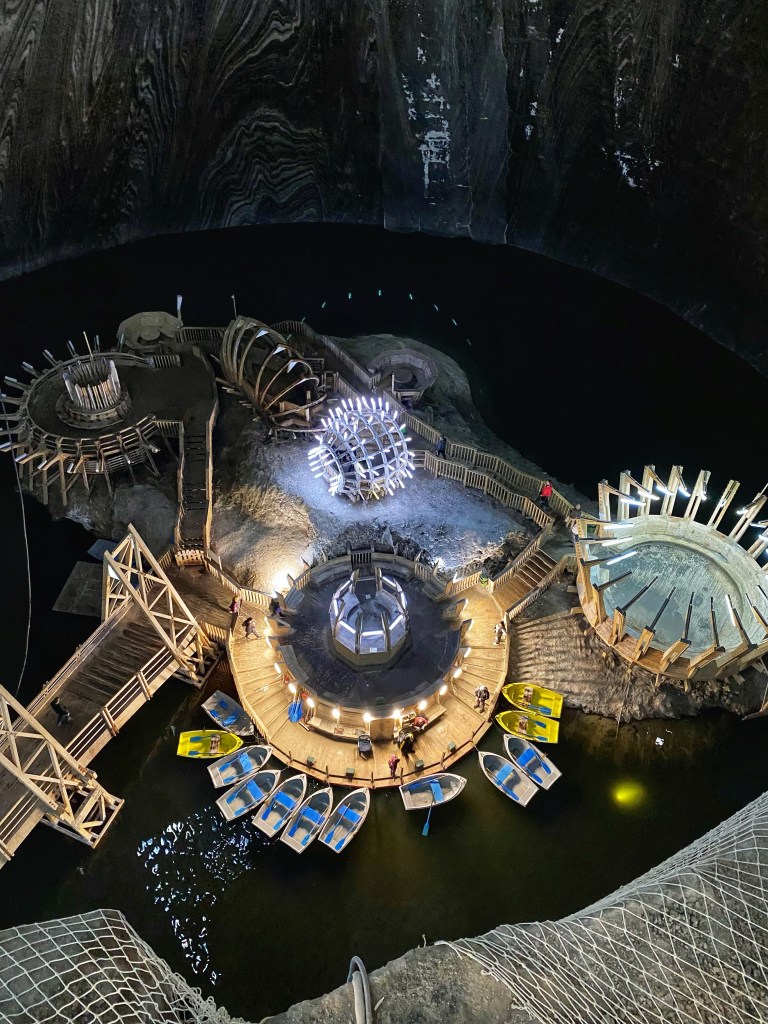
In the Iosif mine area, you can to stand at the top of the conical chamber and listen to its powerful echoes, due to the lack of communication with the other mining points, in the “Echoes Room”!
The last area we visited was the Rudolf mine, which was also the last area where salt was mined. We took the stairs up the 13 floors, where the years are marked when each level was opened. From here we got a panoramic view of the whole mine, including a small amusement park with a Ferris wheel, a playground, ping pong tables, and mini golf. This is a bit weird to me, but part of it.


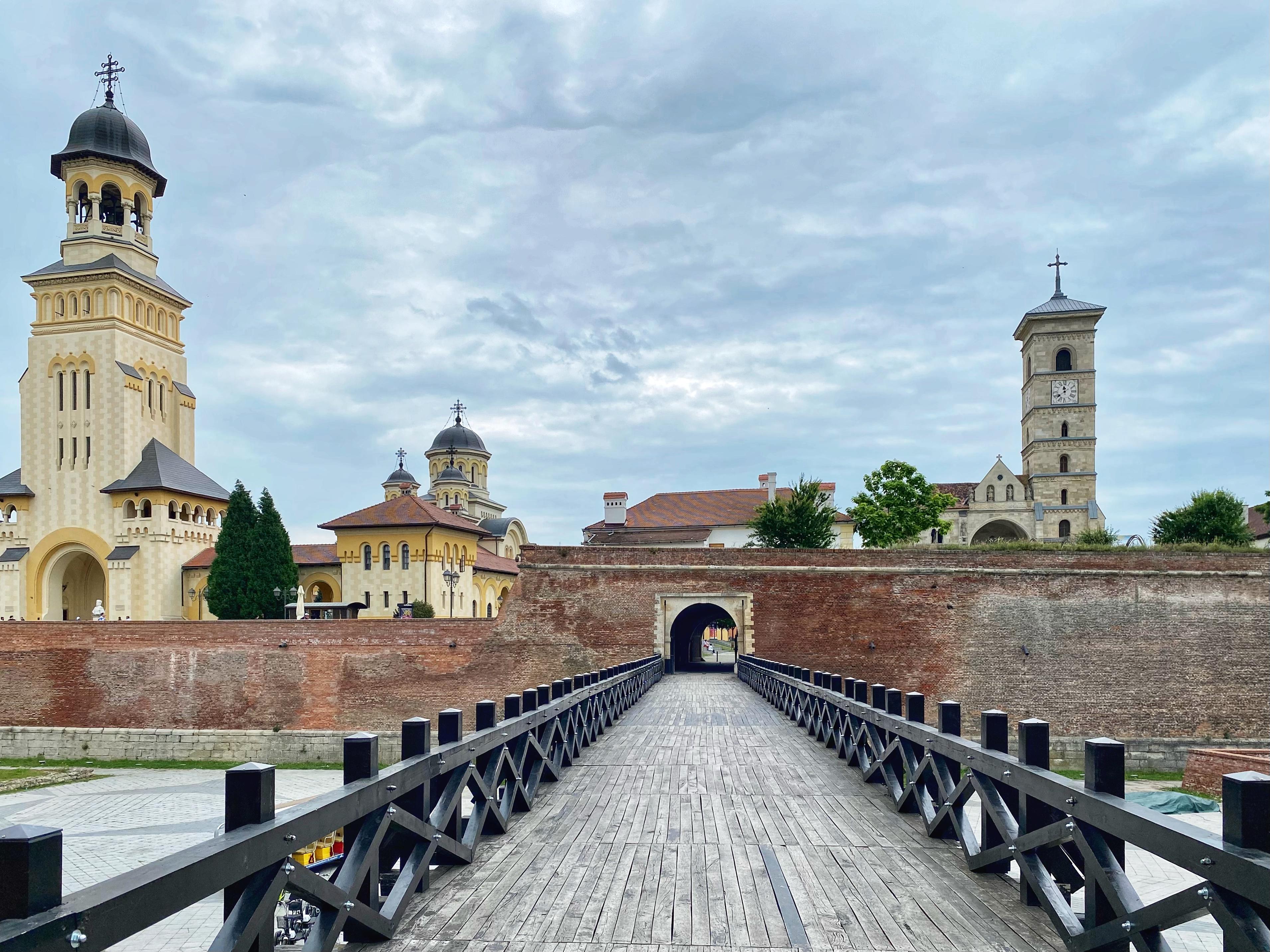
After the mine, we continued to Alba Iulia. The fortress was completed in 1735, and is the largest of its kind in Southeastern Europe. Within its six gates, it contains unique military buildings, palaces, libraries, and churches. It has hosted a melting pot of military meetings and religious gatherings over the years. On the way to our next destination, I had Robert back up for a second so I could get a picture of the sign you will see in the last cell. He thought this was funny I wanted a photo, and said, “what?, that just means you can’t take your horse and buggy past this road…” Okay, now I know!


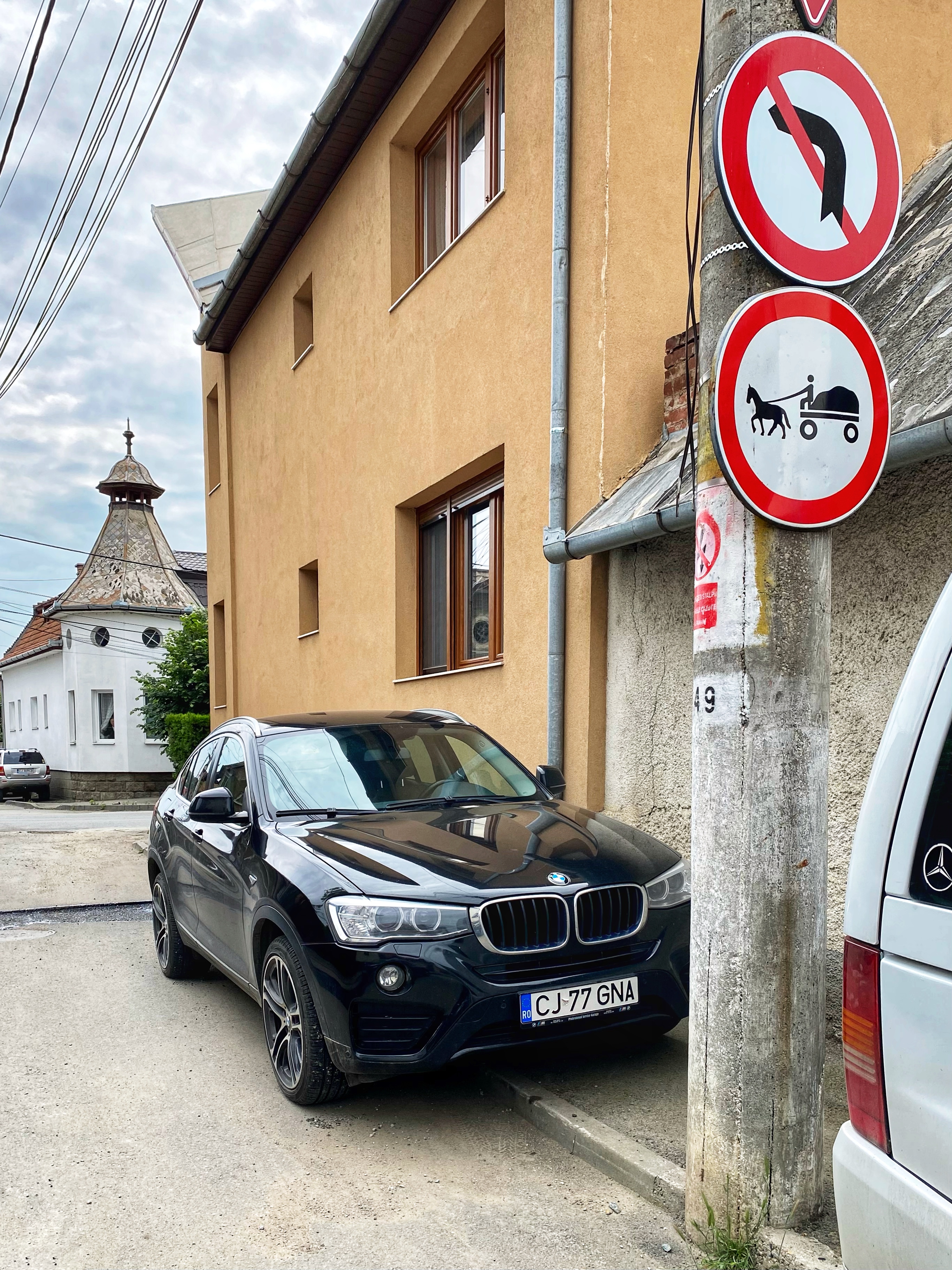
And for the grand finale… we drove to Corvin’s Castle. For those of you who have been following me, you may recall I visited a replica of this castle in Budapest a couple of weeks ago. Corvin’s Castle, also known as Hunyadi Castle or Hunedoara Castle is a Gothic-Renaissance castle, built in the 15th century. It was designed as a fortress to defend against the Ottoman Empire, and is also thought Vlad the Impaler was imprisoned here during his exile.
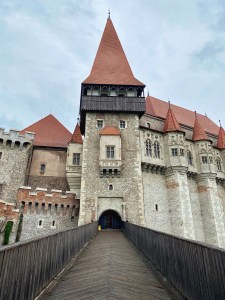
Much more recently, this famous castle has been the filming location for many movies, including several Dracula movies. If you’re curious, give it a google and you will be amazed! Now, to spare you from too many more details, take a look:
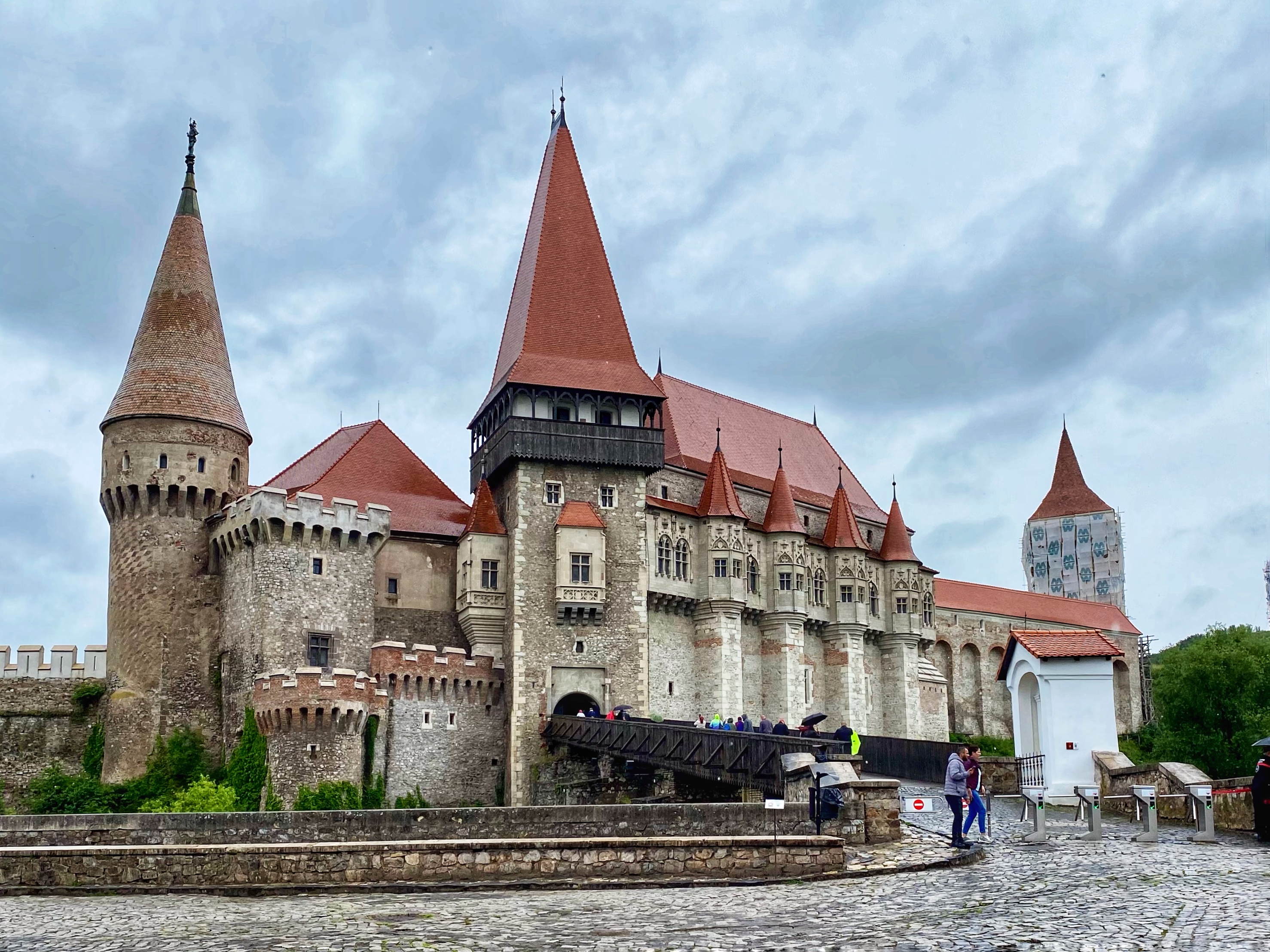
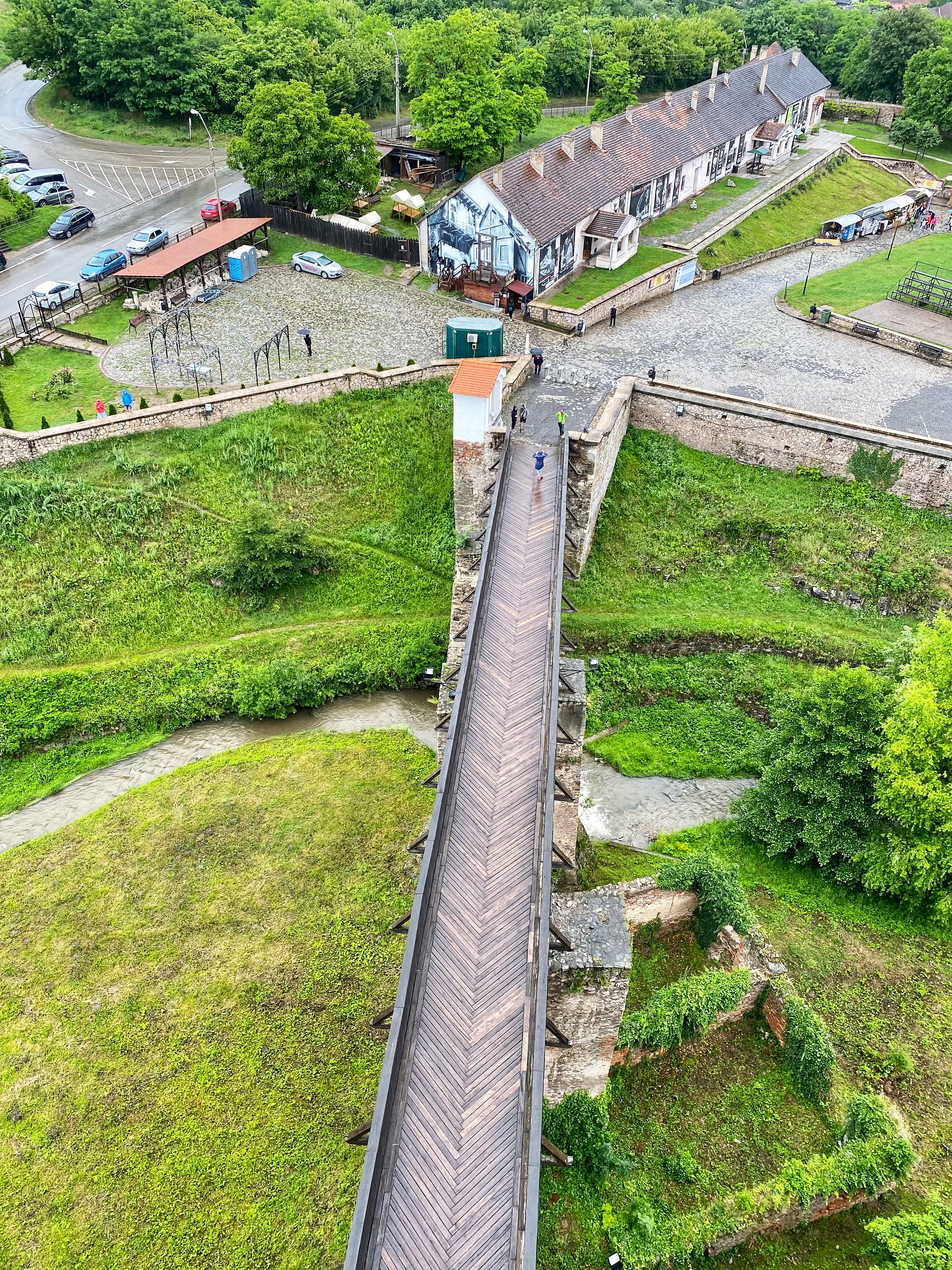
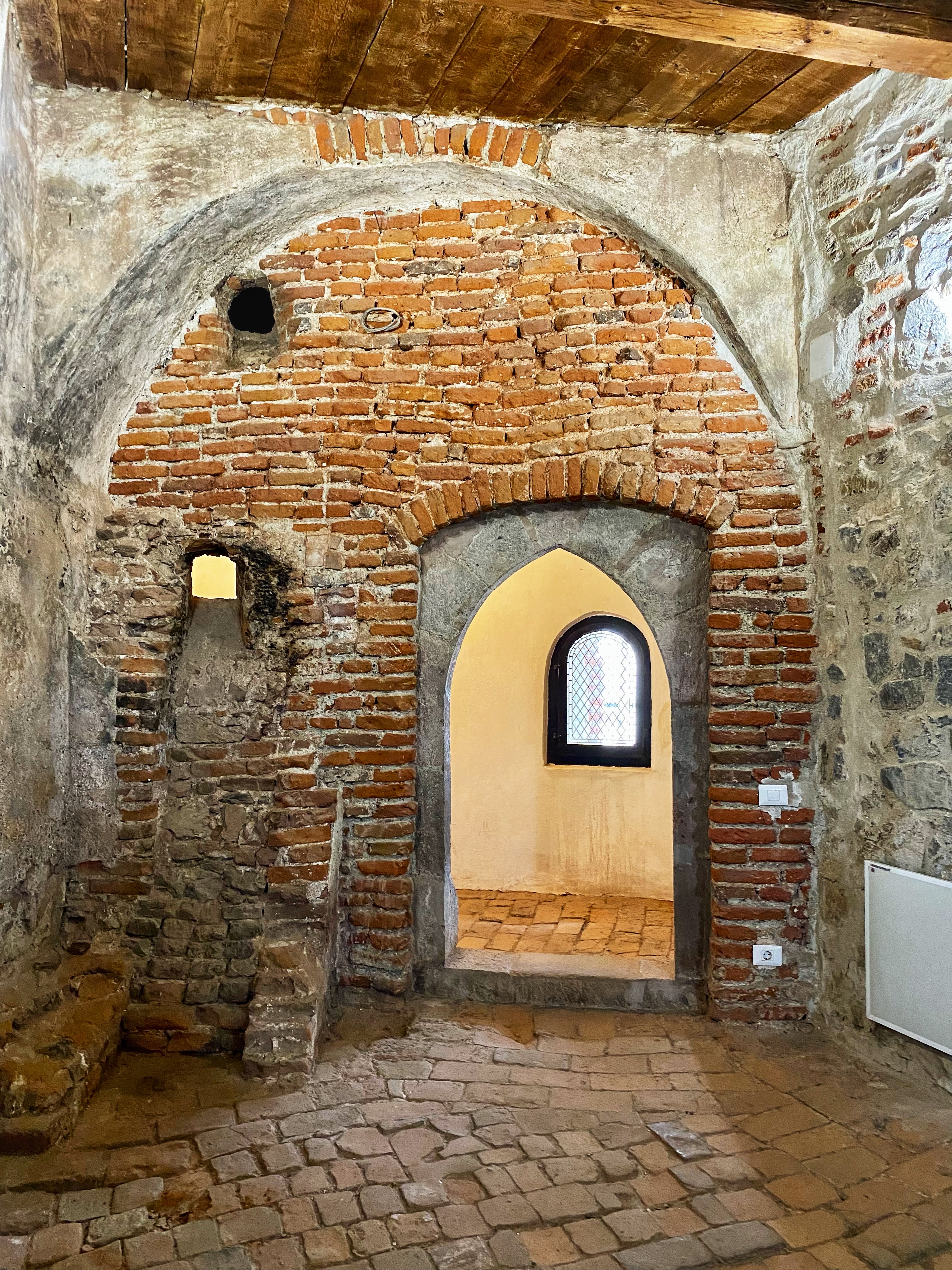
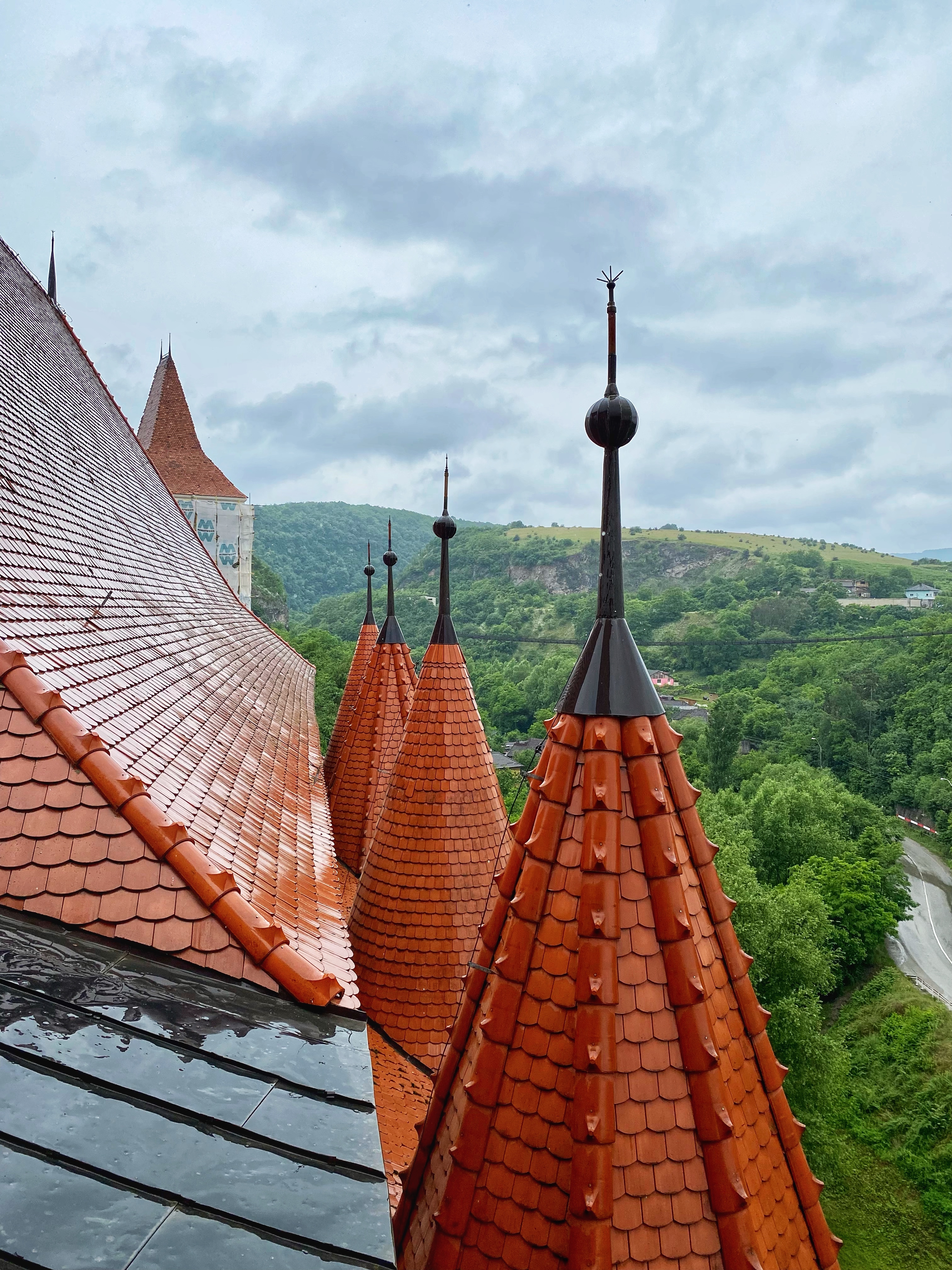


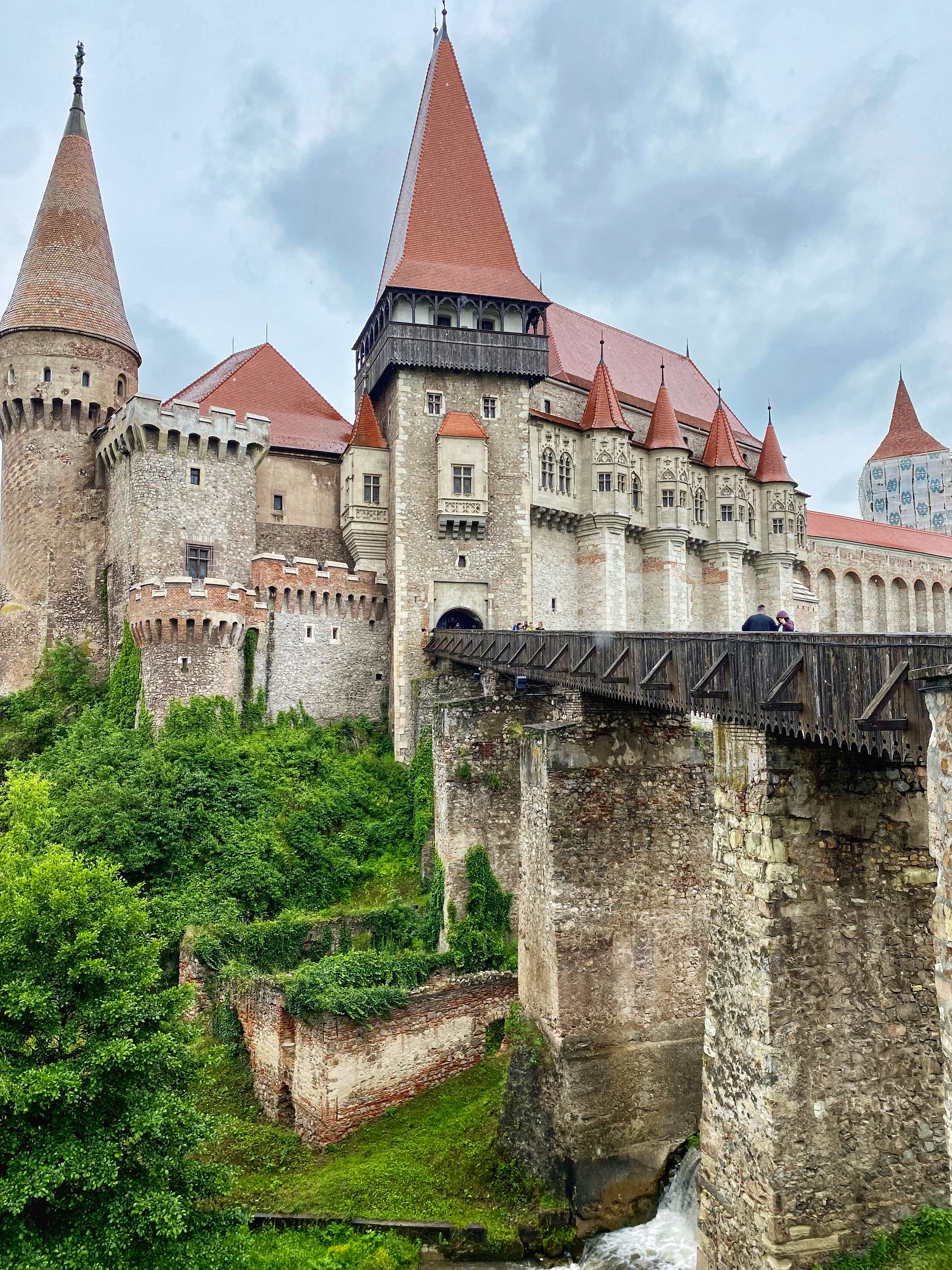
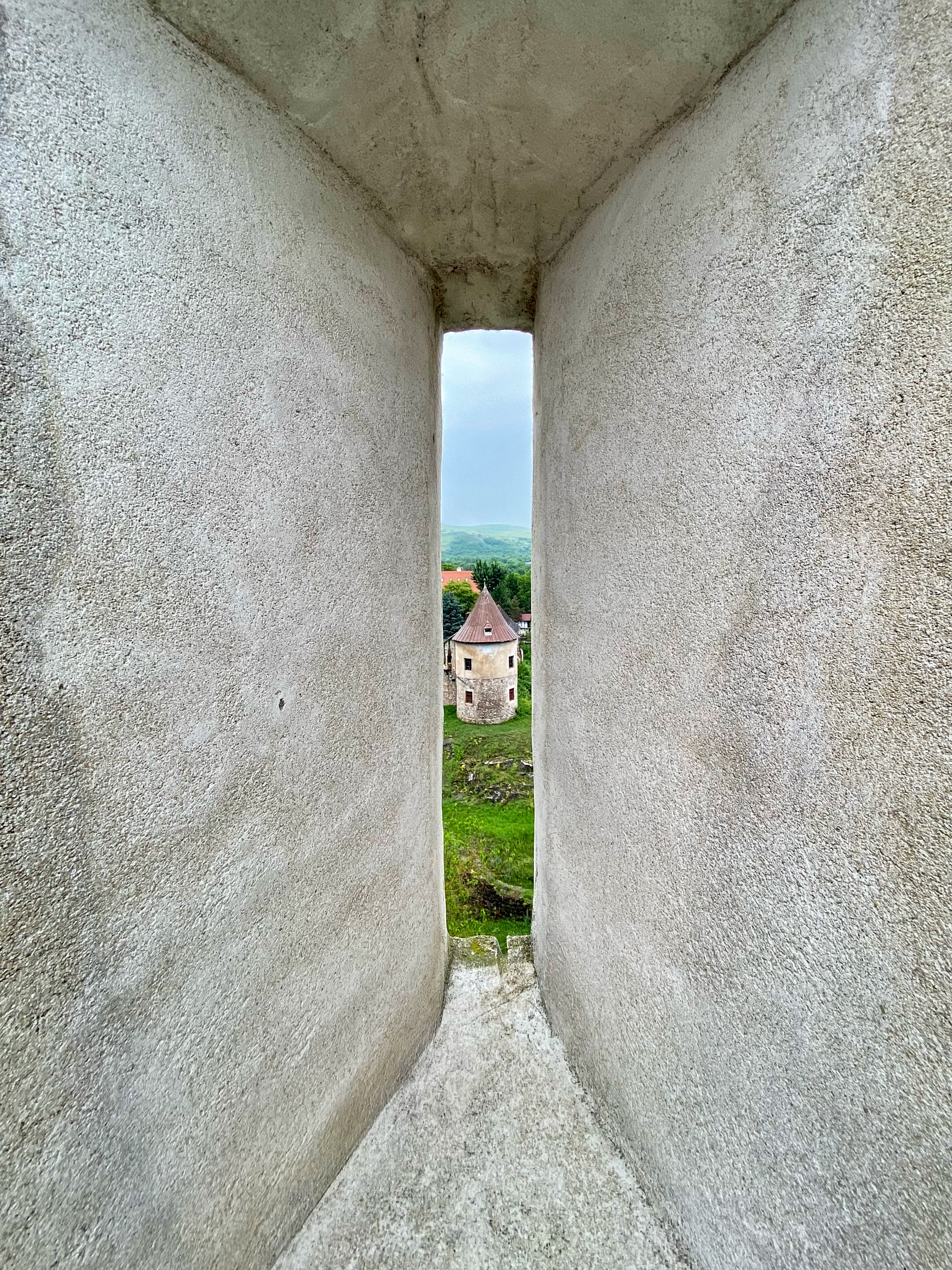


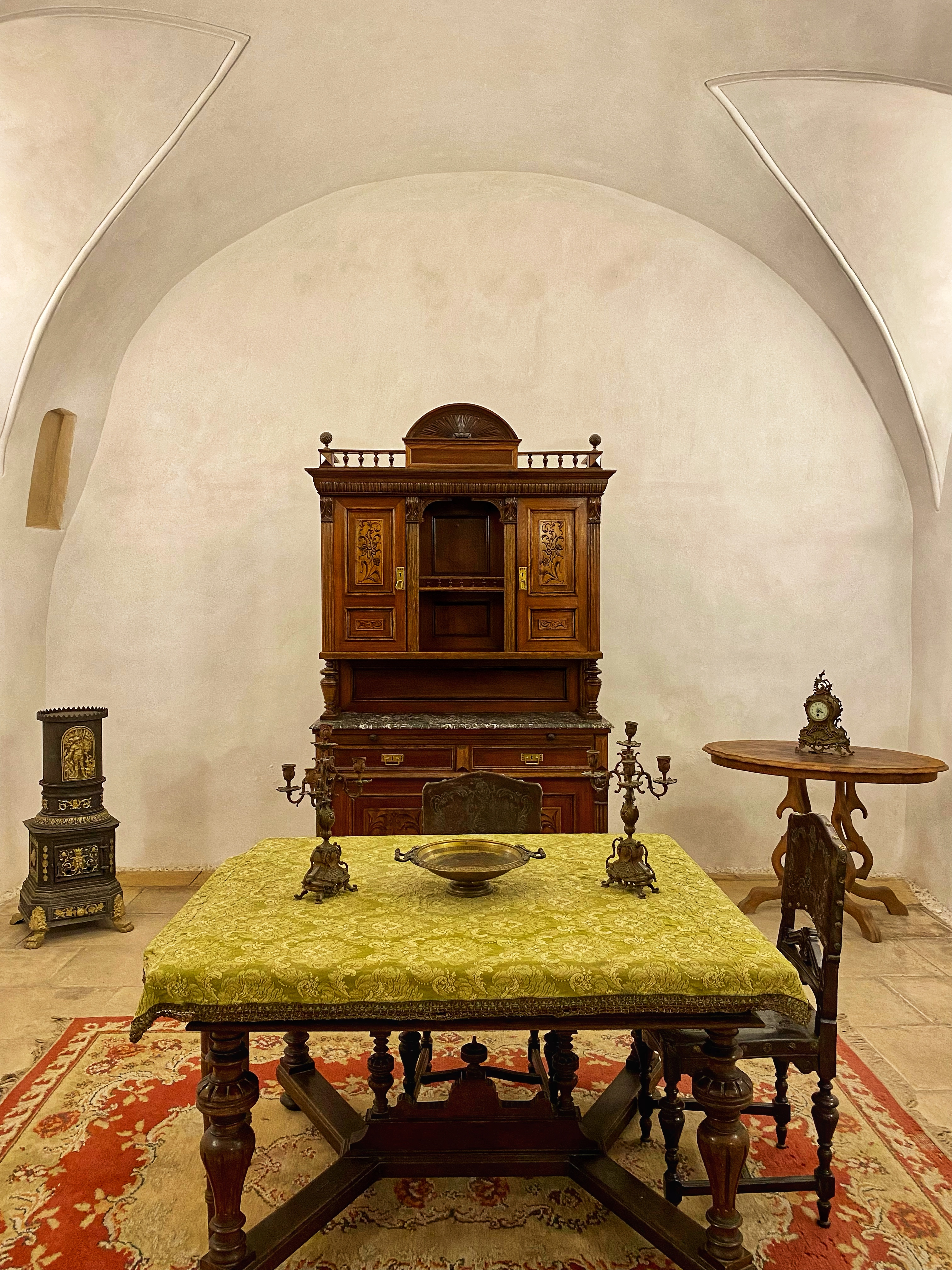
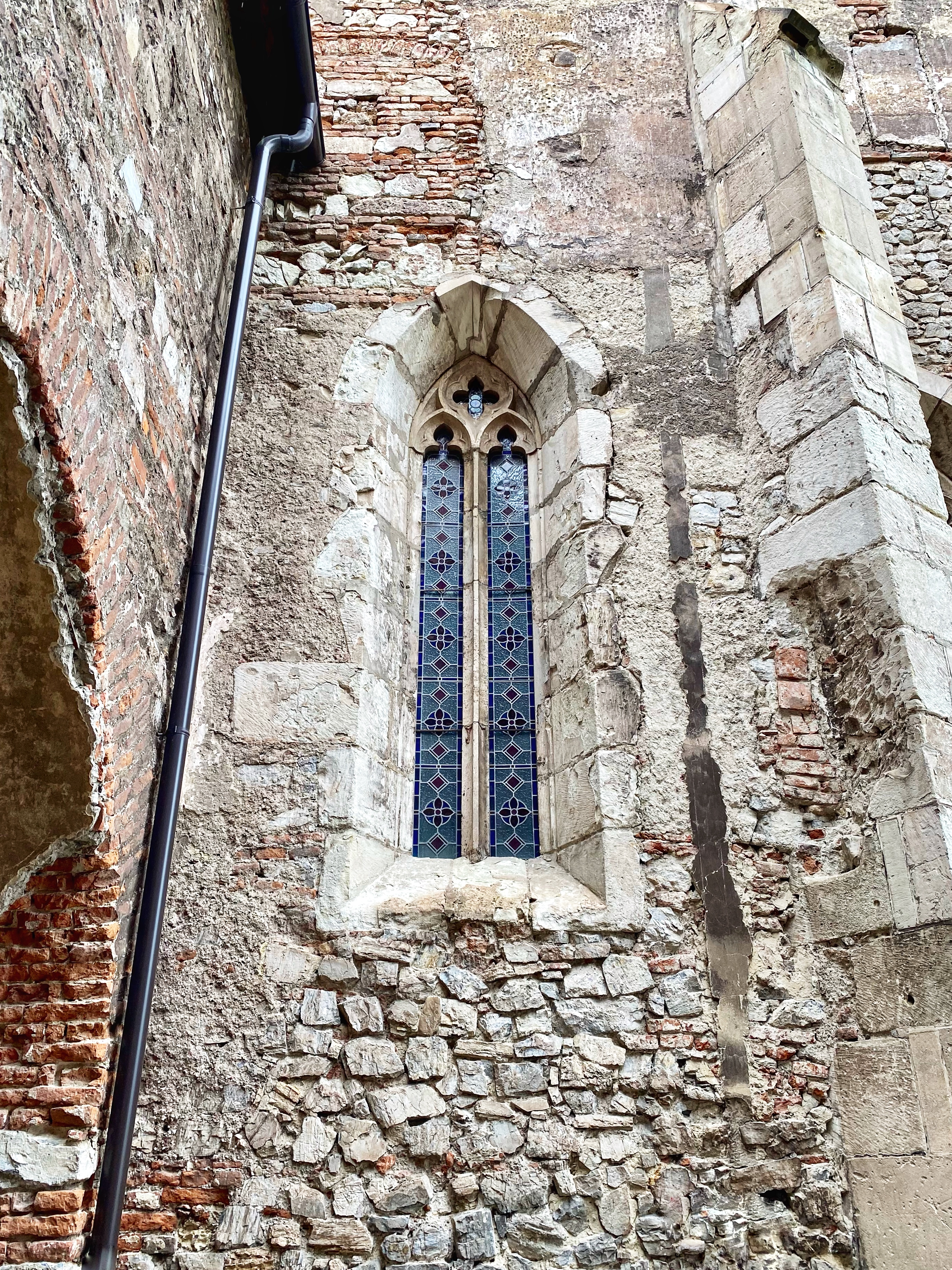
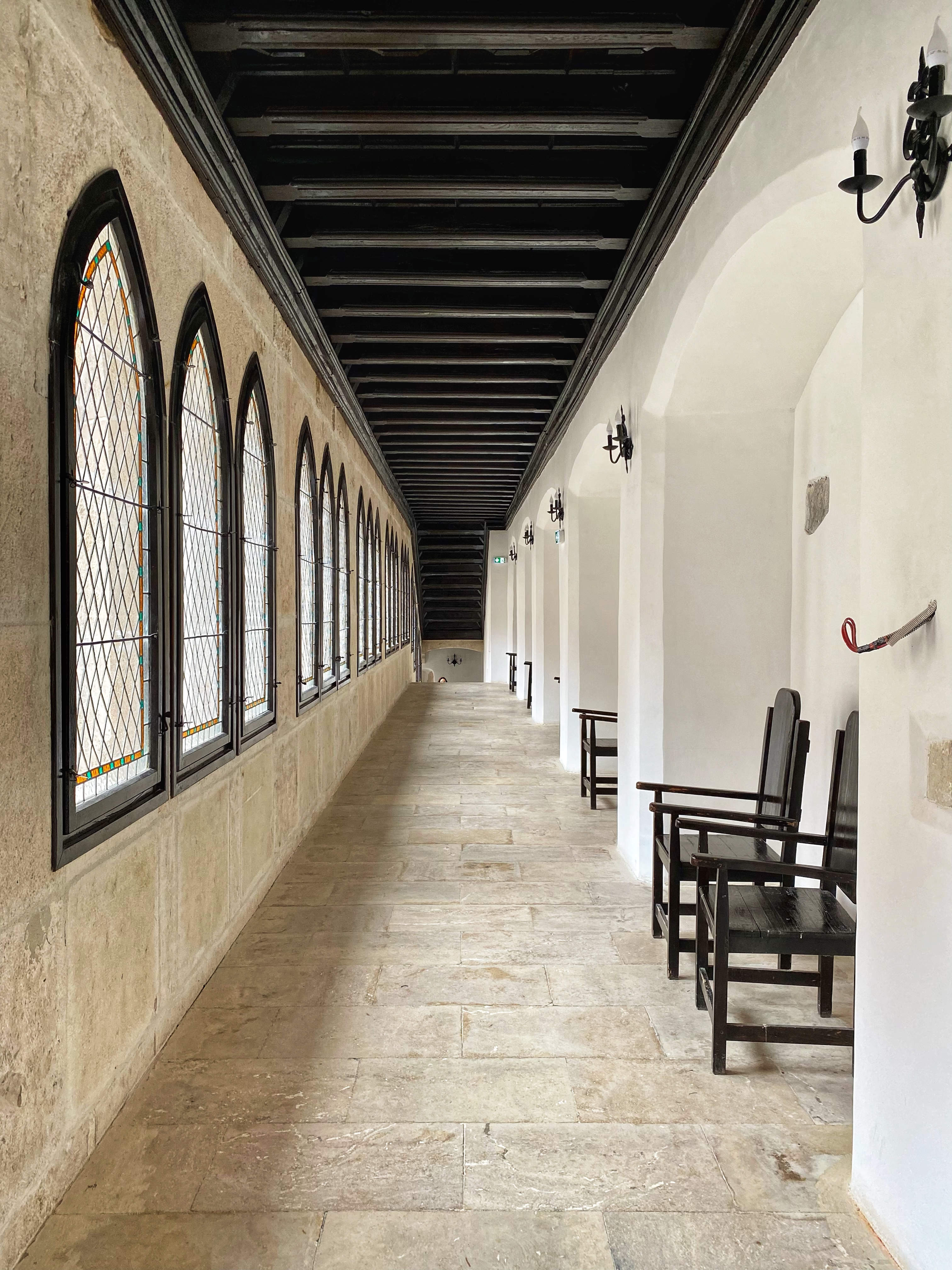
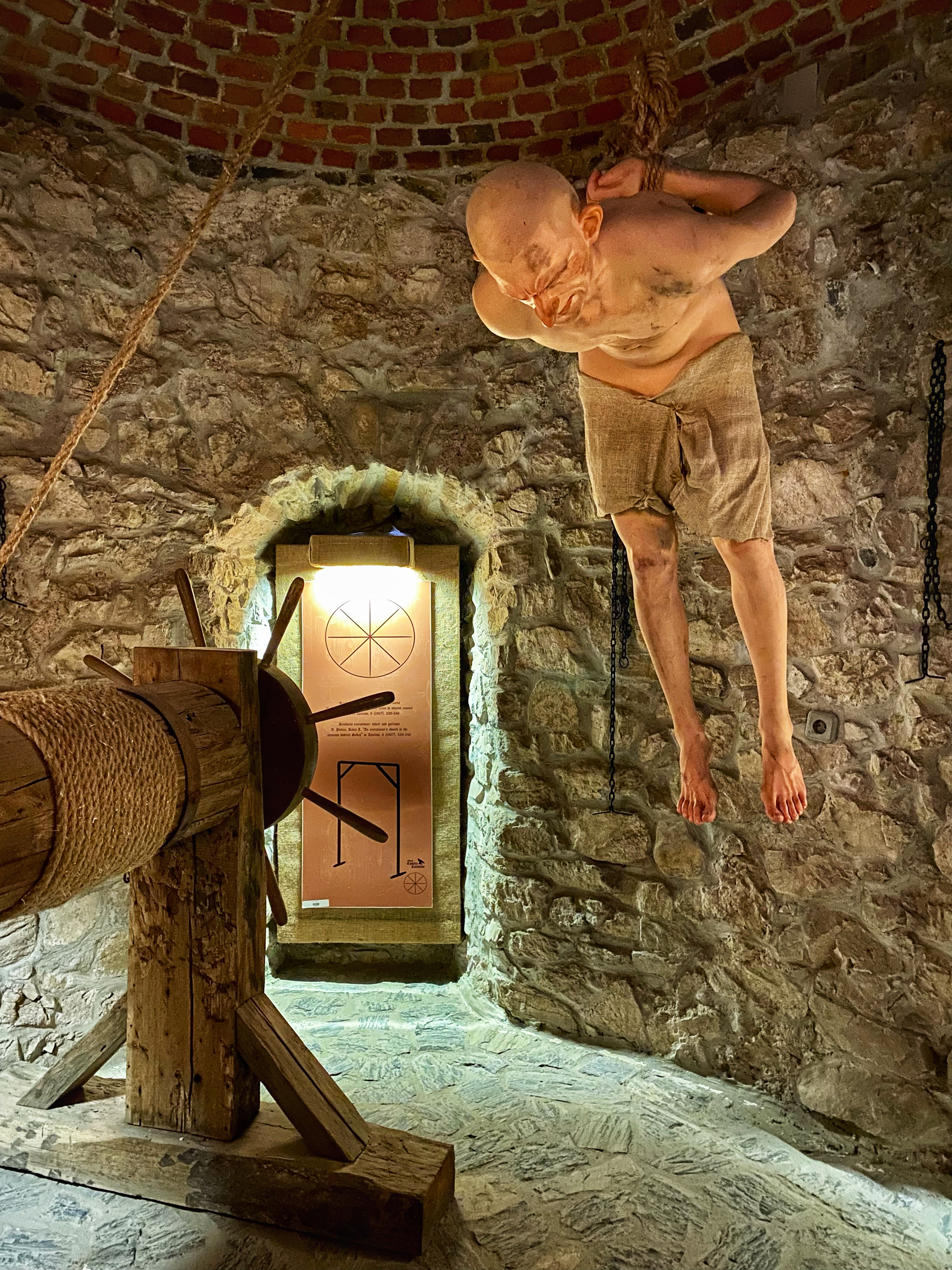
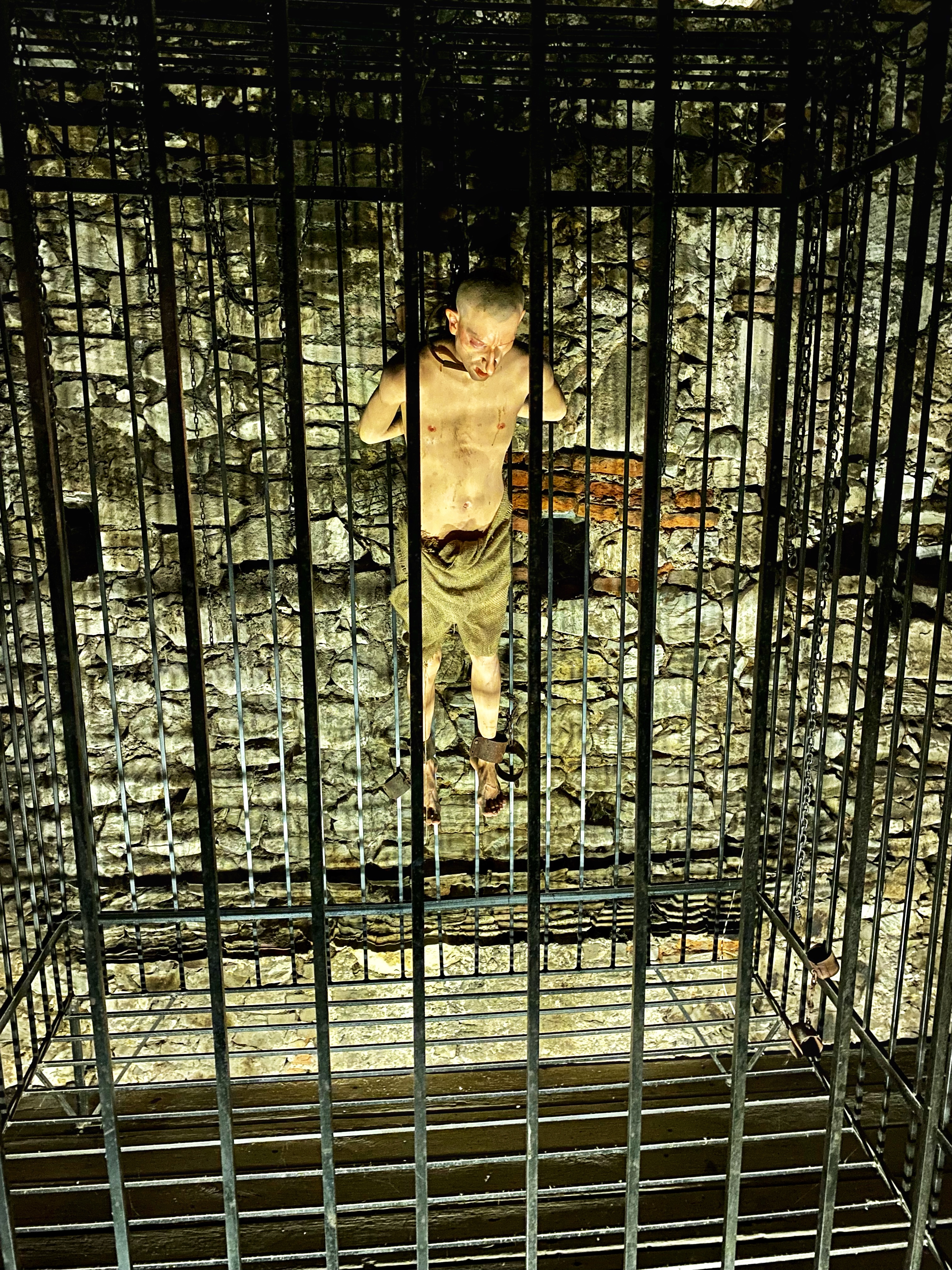

And this was the end of another awesome day with Robert in Romania! I’m so grateful I connected with this amazing guide and and even more amazing human! During our two days together, we had so many fun times and shared so much, another special part of my journey I will never forget!
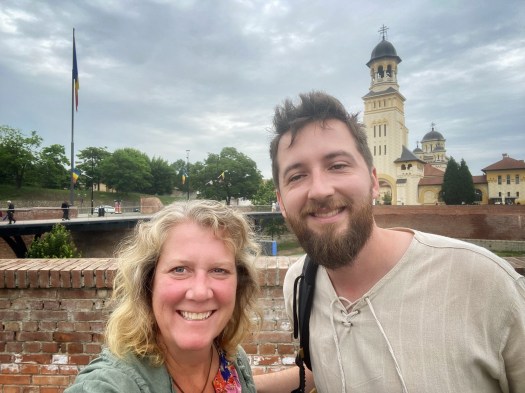
Cheers, hugs, and love! Michelle
 BACKPACKING ADVENTURES
Fascinating area to visit. You will have so many special memories. Glad you connected with such a great guide. That rally makes for a better tour. As always your photos are awesome. Happy continuing travels. Hugs
LikeLiked by 1 person
As always, you never disappoint with your pictures and stories. Wonderful, THANK YOU! What a journey, and many. many. memories you are making! Cheers
LikeLiked by 1 person
What a dream! I love your stories
LikeLiked by 1 person
Ahhh, thanks Luci! Thanks for being one of my biggest fans! It means the world to me! 🙂
LikeLike